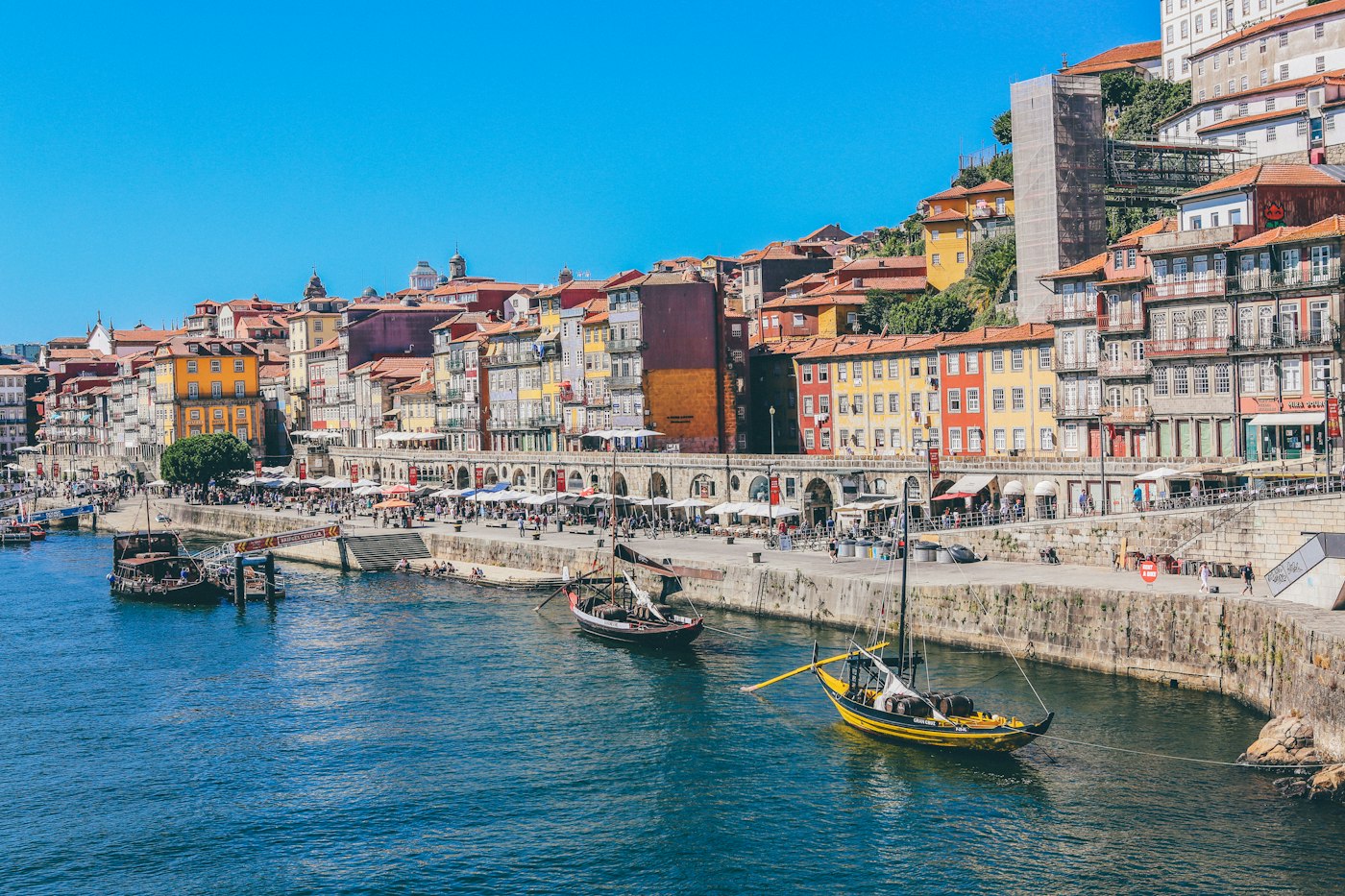

I grew up in Lisbon. I know Portuguese food the way I know the layout of my own home — deeply, instinctively, sometimes invisibly. Writing about it for an international audience has forced me to see it fresh. Here's what I see.
Why Portuguese Food Is Underrated
Spanish food gets the international attention. Italian food gets the mythology. French food gets the reverence. Portuguese food gets a polite mention of pastéis de nata and bacalhau and then the conversation moves on.
This is wildly unfair. Portuguese cuisine is one of the most distinctive in Europe — shaped by Atlantic seafood, Moorish spice influence, and six centuries of trading routes that brought ingredients like coriander, chilli, and cinnamon into a culinary tradition long before the rest of Europe caught on.
Lisbon: Where to Eat
Morning: Pastéis de Belém
The original pastel de nata from the bakery next to the Jerónimos Monastery. The recipe has been the same since 1837. There's a queue — go before 9am and it's manageable. Two pastéis, powdered cinnamon and icing sugar, a bica (espresso). €2.80. This is the best breakfast in Europe.
Lunch: A Tasca in Mouraria
The old Moorish quarter of Lisbon, Mouraria, has survived the gentrification that consumed much of Alfama and Bairro Alto. The tascas here — family-run lunch-only restaurants — serve a prato do dia (daily plate) for €7–10: usually a whole fish, a meat stew, or bacalhau in one of its 365 forms, with soup, bread, wine, and dessert included.
Dinner: Petiscos in the Intendente
Petiscos are Portugal's answer to tapas — small dishes meant to be shared over wine. The Intendente neighborhood has the best petisco bars in Lisbon: amêijoas à Bulhão Pato (clams in white wine and coriander), presunto (cured ham), alheira (a garlicky smoked sausage that is one of Portugal's most distinctive contributions to world food).
Porto: Food for a Different Tempo
Porto's food culture is heavier, more working-class in origin, and deeply proud of itself. The francesinha — a sandwich of bread, cured meats, and sausage, covered in a hot tomato-beer sauce and topped with a fried egg — is Portugal's most ridiculous and most beloved contribution to global food culture.
The Mercado do Bolhão, recently renovated, is the finest market in Portugal. Arrive hungry and spend two hours eating your way through the market stalls: smoked sausage, fresh cheese, wine from Douro producers who sell nowhere else.
- Must-Eat in LisbonPastéis de Belém, amêijoas, bacalhau à Brás
- Must-Eat in PortoFrancesinha, tripas à moda do Porto, vinho verde
- Best Market (Lisbon)Mercado da Ribeira (Time Out) — go weekday mornings
- Best Market (Porto)Mercado do Bolhão
- Average Lunch (prato do dia)€8–12 including wine
The Alentejo: Where Portuguese Food Gets Serious
Between Lisbon and the Algarve lies the Alentejo — Portugal's interior, cork oak forests and golden plains, where the country's most distinctive regional cuisine lives. Black pork from Alentejo pigs fed on acorns. Migas (a bread-based dish that varies by village). Açorda (bread, garlic, coriander, and poached eggs in olive oil). And the wines — Alentejo DOC is producing some of the most exciting reds in Europe.