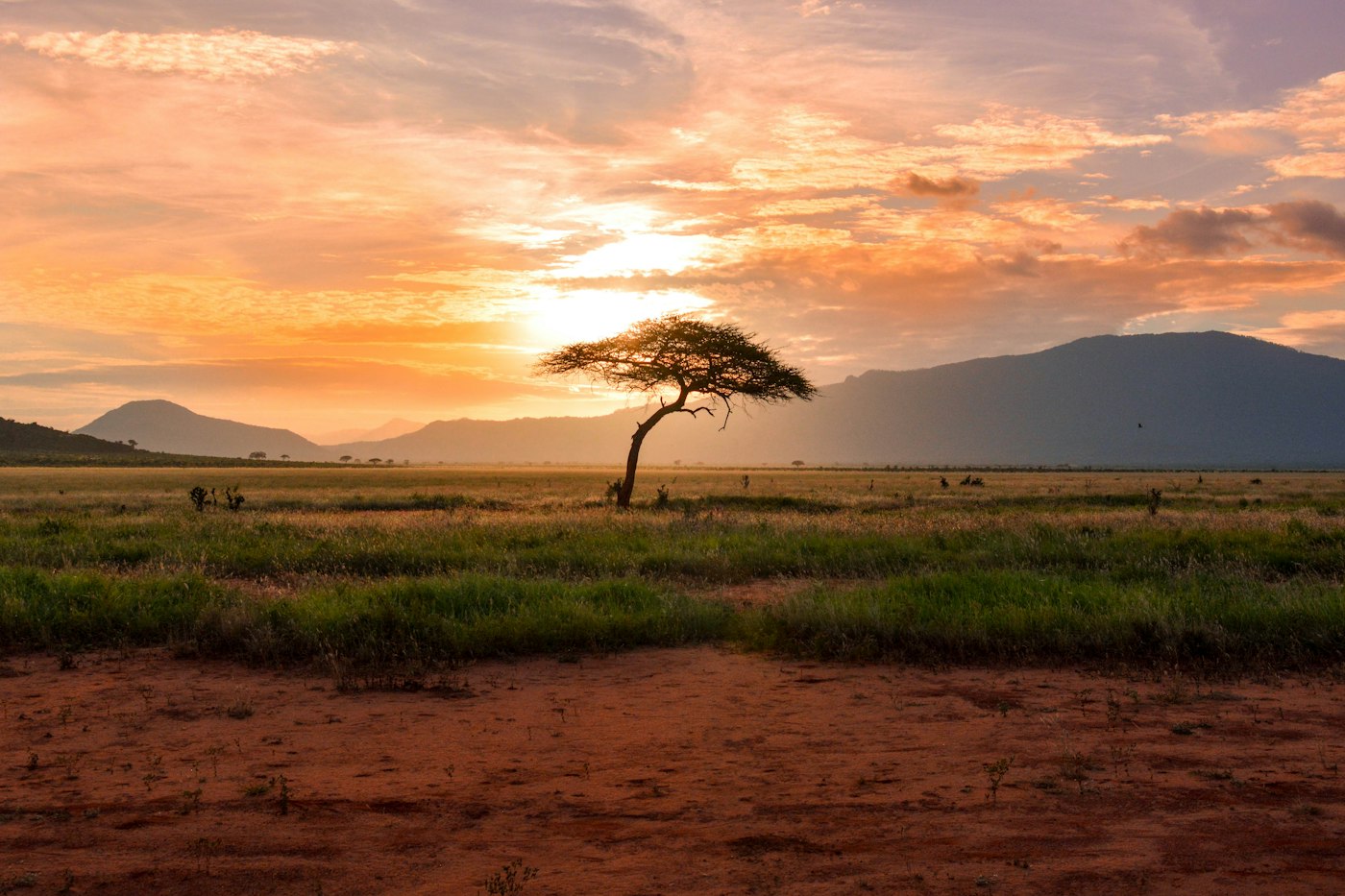

I had seen enough wildlife documentaries to know the theory of the African safari. Being in the Masai Mara at 6am, watching a pride of lions tear into a wildebeest while the sun rose behind them, is something entirely different from the theory. Here is the full diary.
Why Kenya
East Africa has several excellent safari destinations — Tanzania's Serengeti, Uganda for mountain gorillas, Botswana for wilderness exclusivity. Kenya remains the most accessible combination of reliable wildlife, established infrastructure, and dramatic diversity within a single trip. The Masai Mara (the Kenyan section of the ecosystem that includes Tanzania's Serengeti) has the highest concentration of big cat sightings on Earth.
The Masai Mara (Days 1–5)
The Migration: August–October
If your trip coincides with the Mara River crossings between July and October, you are extraordinarily lucky. Hundreds of thousands of wildebeest and zebra crossing the crocodile-filled river is one of nature's great spectacles. We arrived in early October — the tail end of the migration — and still witnessed two crossings.
The mechanics: you position your vehicle at the river bank and wait. Some days the herds approach and turn back a dozen times. Some days they cross in minutes. Your guide and driver — ours was James, who had worked the Mara for 22 years — know the signs. Trust them.
Day 2: The Lion Hunt
At 5:30am on our second morning, James spotted a lioness lying flat in long grass about 400 meters from a zebra herd. We waited, engine off. Twenty minutes passed. Then another lioness appeared from a different angle — they were coordinating. The hunt failed: the zebras scattered before the charge. Even so, the forty-minute observation was the most concentrated moment of animal behavior I've witnessed.
Day 3: The Big Five Check
By day three we had seen lion, elephant, buffalo, and leopard (a rare tree-dwelling sighting at sunset on the second evening). The rhino — black rhino, critically endangered — proved elusive until our guide took us to a specific area near the Mara River on the third afternoon. One black rhino, a young male, grazing about 150 meters away. The Big Five complete.
Amboseli (Days 6–8)
Amboseli National Park in southern Kenya is about one thing: elephants against Kilimanjaro. The park has the largest concentration of free-ranging elephants in Kenya, and on a clear day — most days outside of April and May — Kilimanjaro (in Tanzania, just over the border) rises behind the herds in the kind of image that seems too perfect to be real.
The Amboseli ecosystem supports around 1,600 elephants, many of them studied by the Amboseli Elephant Research Project — one of the world's longest-running wildlife studies. Your guide can tell you which families you're observing and the individual elephants' histories. This knowledge transforms a wildlife sighting into something else entirely.
Day 8: The Observation Hill at Sunset
On our final evening, we climbed Observation Hill — the only place in Amboseli where you can get out of your vehicle — and watched the sun set behind Kilimanjaro while elephant herds moved across the swamp below. I have been to 47 countries. This was the most beautiful thing I have seen.
- Best Time for MigrationJuly–October (Masai Mara)
- Best Time for AmboseliJanuary–March, June–October
- Masai Mara Park Fee$200/day (non-residents)
- Amboseli Park Fee$90/day (non-residents)
- Budget Safari (camping)$200–300/day all-in
- Luxury Tented Camp$600–1,500/day all-in
Planning Notes
Book a reputable operator rather than going independent — the cost is similar once you factor in a good guide and vehicle, and the difference in sighting quality is enormous. Ask specifically about your guide's experience and years in the specific park. A guide who has worked the same ecosystem for 10+ years sees things a newer guide misses completely.
The best accommodation in the Mara is inside or adjacent to the reserve, not in the towns outside. Budget an extra $100–200/night for this positioning — it lets you be in the park at 6am when the golden hour light and the predator activity peak simultaneously.